Home
 Site Map
 eProb
 Contact


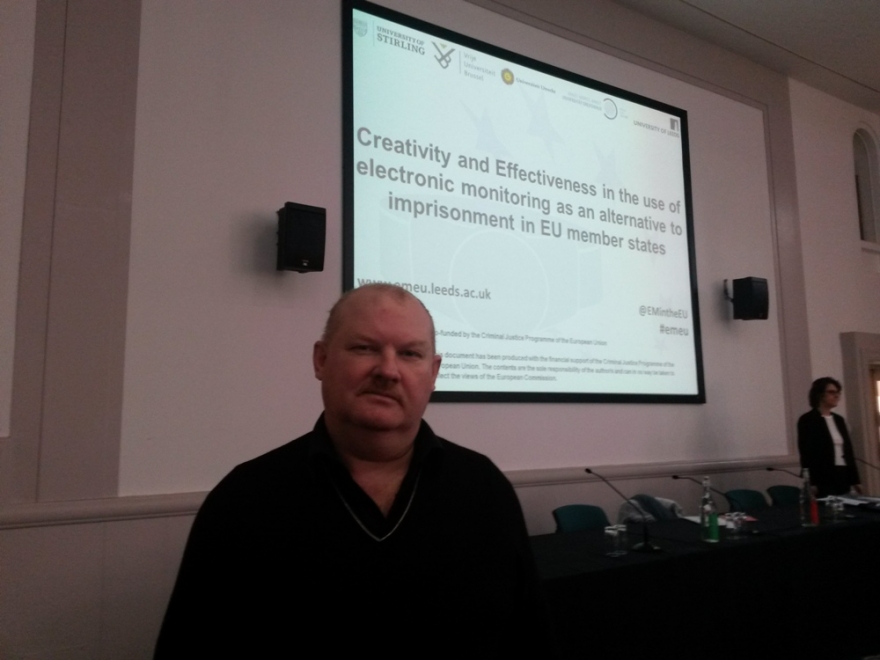
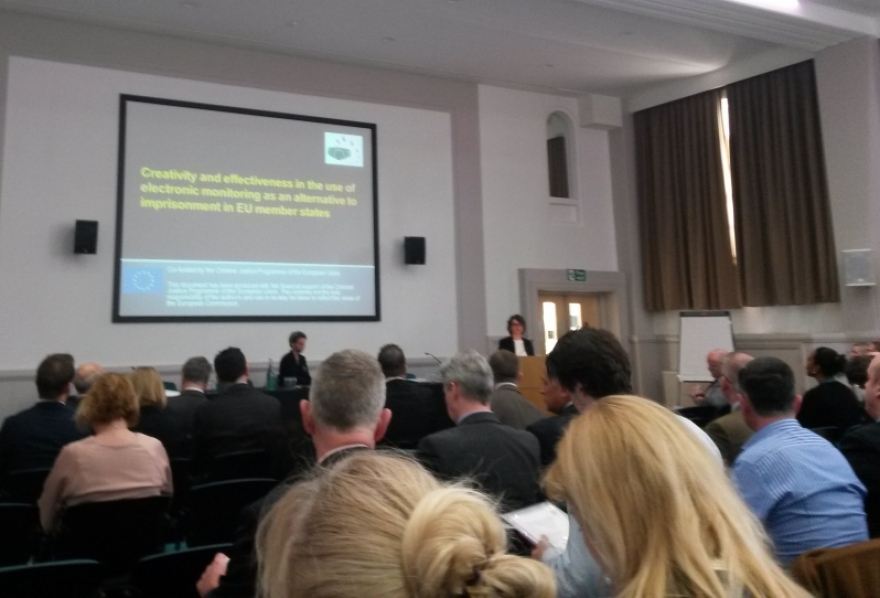
On 17th March 2016, in London, UK was held the International Conference on "Electronic Monitoring in Europe: UK and European Perspectives". The event was organized by the University of Stirling (UK), University of Utrecht (Netherlands) and the University of Leeds. The meeting was attended by representatives from 21 European countries, including Republic of Moldova, Vladimir Popa - Head of the Central Probation Office and Ghenadie Ceban - deputy head of analytical activity and external relations Directorate. The conference aimed to familiarize the NGOs and governmental, national and international institutions on development of Electronic Monitoring in European countries and regions of the UK.
The event was opened by Anthea Hucklesby - representative of the University of Leeds who stated the importance of the event by sharing information and experience in the implementation of electronic monitoring in the European Union. Also, the representatives from Vrije and Leeds Universities have presented the situation of England and Wales. A highly developed segment is house arrest and home detention (replace prison detention with home detention through electronic monitoring instrument). The number of people subject to electronic monitoring varies from year to year, for example in June, 2013 there were about 14800 people supervised, September 2014 – 13700, December 2014 - 14700 and November 2015 - 11742 people, the people held in prisons being around 87000 (including remand) in 2015. Although the vast majority technologies using Radio frequency (RF), there is a hope for more frequent use of GPS technology in the future. In Scotland, children are also subject to electronic monitoring, even if the age of majority is considered 16 years. It is used widely for people conditionally released before term. Electronic monitoring system is only used for people who have a stable domicile/residence. Of the total number of EM clients, 14% are female. Electronic monitoring costs in Belgium are: RF - 4.37 euros/day, checking voice - 5.56 euro/day, GPS -8.51 Euro/day monitoring.
The representatives of the University of Stirling, presented the study on EM in Scotland. They noted that in the period 2002 - 2015 was used only RF while GPS technology will be introduced in the future. Of the total number of persons on presentence stage, 20% are subject to electronic monitoring, and this system is also only used for people who have a stable domicile/residence and persons conditionally released.
At the end of the meeting, participants discussed issues of the actual situation and challenges facing probation services in the application of electronic monitoring.
Analytical activity and external relations Directorate,